


4 min read
Smoke Alarm, Fire Detector Replacement
Smoke Alarm, Fire Detector Replacement DIN 14675 requires periodic detector replacement! Only in this way can the permanent functionality and operational reliability of fire alarm systems be guaranteed! Anyone who does not act in accordance with DIN 14675 takes on an increased liability risk in the event of a claim. Fire Detectors Fire detectors, also known as smoke detectors, are technical devices for triggering an alarm in the event of fire in homes, public facilities,…
Smoke Alarm, Fire Detector Replacement
DIN 14675 requires periodic detector replacement!
Only in this way can the permanent functionality and operational reliability of fire alarm systems be guaranteed!
Anyone who does not act in accordance with DIN 14675 takes on an increased liability risk in the event of a claim.
Fire Detectors
Fire detectors, also known as smoke detectors, are technical devices for triggering an alarm in the event of fire in homes, public facilities, means of transport or industrial plants.
The purpose of the fire alarm is to warn and wake people inside a building, to initiate firefighting measures and measures to protect people and property, and usually to alert the responsible security personnel or the fire brigade.
The proper setup and operation of security-technology systems for fire detection and fire alerting in and on buildings, taking into account building-law and fire-brigade-specific requirements, is laid down by the standard. This also includes regular inspections and maintenance by specialist personnel – and periodic replacement of fire detectors.
A distinction is made between automatic fire detectors, which detect fire based on physical properties, and non-automatic fire detectors, which must be triggered manually.
Manual call points, also known as push-button detectors, are mounted in red housings on the wall near exits.
The push-button detectors are located behind a glass pane that must be broken in use, and trigger an alarm at the fire alarm control panel when the button is pressed. Requirements for the location and arrangement of manual call points are described in VdS 2095 and DIN VDE 0833-2. Push-button detectors do not need to be replaced.
Automatic fire detectors can provide early warning of fires in their incipient phase.
Besides smoke alarms, which protect residential areas, fire detectors are frequently used in conjunction with a fire alarm system. In Germany, fire alarm systems must be planned and installed in accordance with DIN 14675 and the Technische Anschlussbedingungen für Brandmeldeanlagen (TAB, technical connection conditions for fire alarm systems), which are drawn up by the individual districts or under the direction of the local fire brigade. In Austria, TRVB 114 and 123 apply. A different building code may apply locally or regionally. In the EU, fire detectors for fire alarm systems must comply with the relevant standards in the EN 54 series.
Automatic fire detectors include point-type and line-type smoke and heat detectors.
The most common fire detectors are point-type ceiling detectors, line-type aspirating smoke detectors and laser systems, as well as heat-sensing cables.
Your fire alarm system is only as reliable as its fire detectors. False alarms resulting from the ageing of electronic components and smoke measuring chambers can only be ruled out, or minimised, through regular testing and a cyclical replacement of detectors.
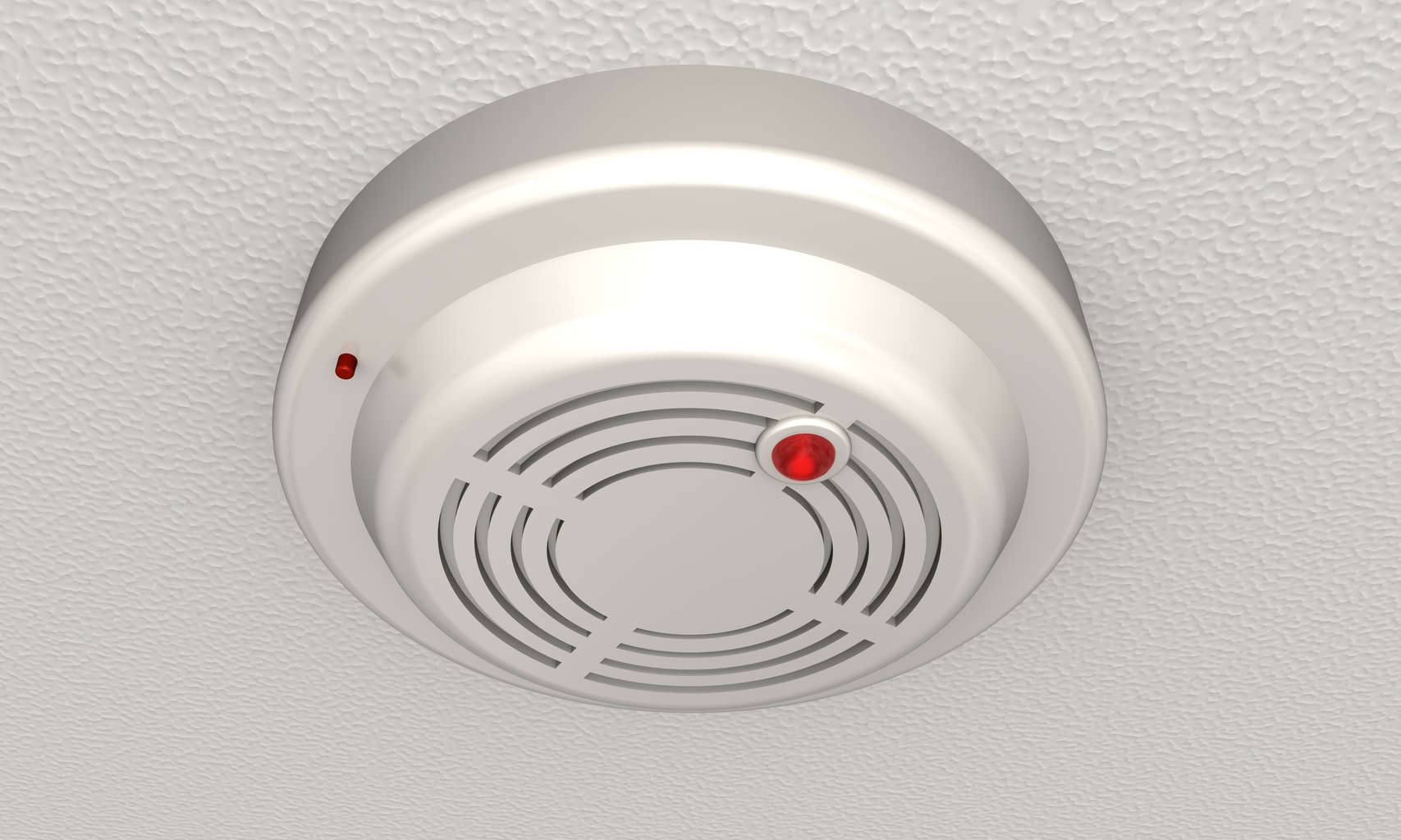
Requirements for fire detector replacement:
DIN 14675 prescribes fixed cycles for replacement. Detectors that have been in operation since December 2006 must be replaced on fixed cycles. The version of DIN 14675 revised in April 2012 also recommends periodic detector replacement for existing detectors installed before December 2006. Under the version of DIN 14675 of April 2014, the required fire detector replacement applies to all point-type smoke detectors and the measuring chamber/sensor technology of aspirating smoke detectors.
Point-type smoke detectors, the measuring chamber or sensor technology of aspirating smoke detectors, and multi-sensor detectors with a smoke sensor must be replaced every 8 or 5 years:
- every 8 years for detectors with contamination compensation or automatic calibration
- every 5 years for detectors without contamination compensation or automatic calibration
Point-type or line-type heat detectors, on the other hand, are not subject to any replacement deadlines, as contamination from dirt has no effect on the function of these detectors. Manual call points are also not subject to any legally regulated replacement cycle, provided their function can be demonstrated during scheduled servicing.
The operator's replacement obligation for existing fire detectors can arise, for example, from building law or from corresponding duties of care in traffic. To avoid liability risks
Under Supplement 1 to the DIN 14675 standard of December 2014, the required fire detector replacement applies to all detectors with a smoke-detection component. Point-type smoke detectors, the measuring chamber or sensor technology of aspirating smoke detectors, and multi-sensor detectors with a smoke sensor, even if this function is switched off, must be replaced every 8 or 5 years.
How can Planatel help?
Which detectors really need to be replaced?
When do which detectors need to be replaced?
Reviewing suppliers' quotes for detector replacement
Are the correct detectors even installed?
For these and other questions, our expert team is on hand to help.
Get in touch – we're happy to help!
Have we caught your interest? Then contact us today. Your personal PLANATEL advisor looks forward to working with you.