


Fire Alarm Systems11 min read
Manufacturer-Independent Fire Alarm System Planning: Independence Secures the Optimal Fire Alarm System
Planning fire alarm systems (BMA) is a complex task with far-reaching implications for a building's safety, costs and operation. A manufacturer-independent approach is essential to ensure tailored, efficient and future-proof solutions that are not influenced by the interests of individual products.
Manufacturer-independent planning of fire alarm systems (BMA) means that the choice of components and systems is based solely on the specific requirements of the property and applicable standards such as DIN 14675 and VdS 2095, without ties to particular manufacturers. This ensures an objective, cost-optimised and future-proof solution that offers maximum safety and legal compliance.
Strategies for future-proof, legally compliant fire alarm system planning
Planning fire alarm systems (BMA) is a complex task with far-reaching implications for a building's safety, costs and operation. A manufacturer-independent approach is essential to ensure tailored, efficient and future-proof solutions that are not influenced by the interests of individual products.
Key Takeaways
- Manufacturer-independent BMA planning secures an objective choice of system, avoids dependence on manufacturers, and optimises costs over the long term.
- An independent specialist planner such as PLANATEL® minimises planning errors, reduces risks, and secures the cost-effectiveness of your fire alarm systems throughout their entire life cycle.
As building structures grow ever more complex and the requirements placed on security technology continue to rise, professional planning of fire alarm systems (BMA) is becoming increasingly important. A fire alarm system is far more than a collection of detectors; it is an integral part of a comprehensive security concept. The decision for a particular system or manufacturer can have long-term consequences, both for functionality and for operating costs. Manufacturer-independent, autonomous planning is therefore essential, to realise the best possible solution for your property while also ensuring legal compliance.
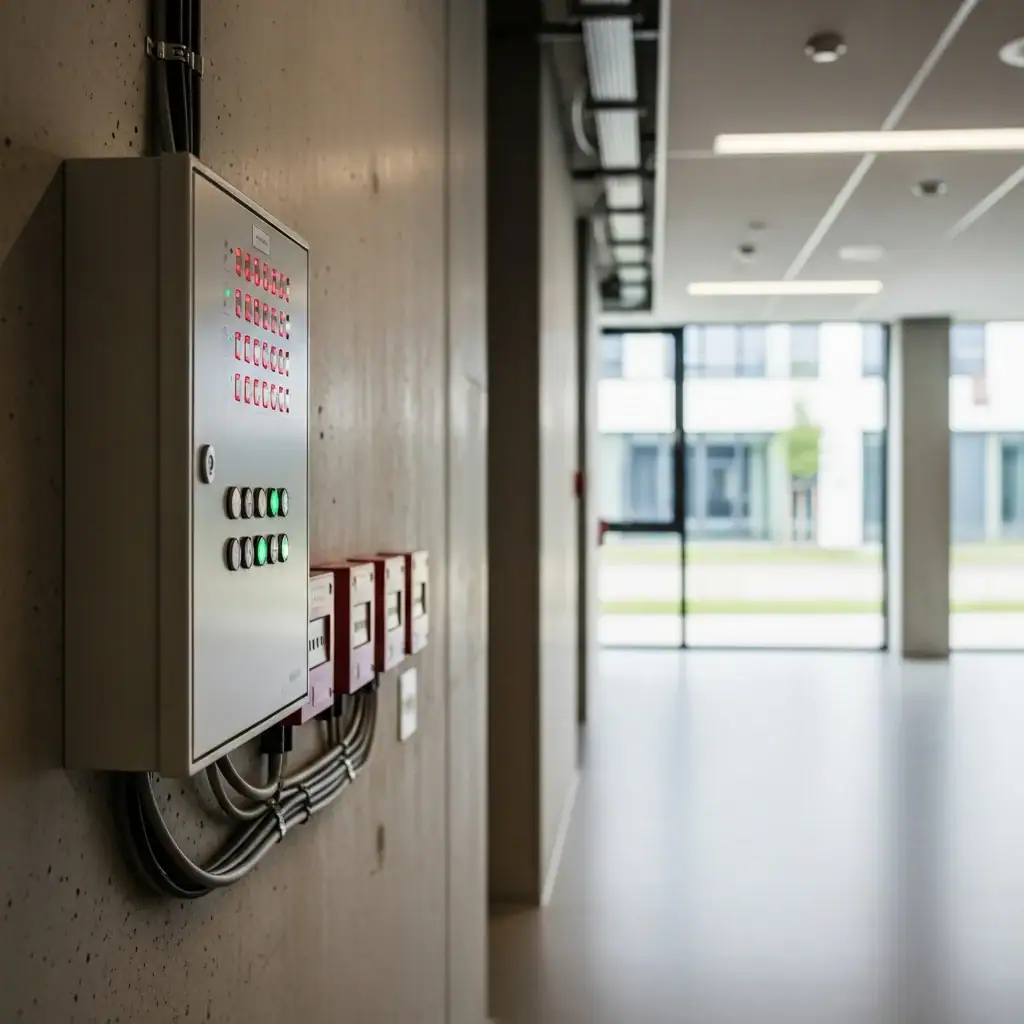
Why manufacturer neutrality is decisive in BMA planning
Choosing a fire alarm system is an investment intended to last for decades. Manufacturer-independent planning is of fundamental importance here, as it allows an objective assessment of all technologies and products available on the market. Without ties to a specific manufacturer, planners can identify the optimal solution, precisely tailored to the individual needs and circumstances of the property in question. This avoids unnecessary costs from over-specified or unsuitable systems and protects against potential dependence on a manufacturer, which could make future extensions or maintenance more difficult and expensive. An independent planner such as PLANATEL® acts solely in the client's interest, ensuring that the technical specifications and performance characteristics of the fire alarm system take priority, not a provider's sales interests. This leads to a transparent tender and fair competition among installers, which has a positive effect on overall project costs.
Legal and normative foundations for fire alarm systems
The planning and operation of fire alarm systems in Germany, Austria and Switzerland are subject to a complex web of laws, regulations and technical standards. The most important frameworks include DIN 14675, DIN VDE 0833, the European EN 54 series of standards, and the VdS 2095 guidelines. DIN 14675, in its current version from January 2020, governs the structure and operation of fire alarm systems and sets requirements for the specialist firms that must be certified for planning, installation, acceptance and servicing. DIN VDE 0833-2, updated in June 2022, specifies the provisions for fire alarm systems within hazard alarm systems. The EN 54 series defines product standards and application guidelines for fire alarm system components, to ensure their effectiveness and reliability. In addition, the VdS 2095 guidelines, last revised in June 2022, are relevant for automatic fire alarm systems, particularly where required by property insurers. Legally compliant planning takes all these requirements into account from the outset, minimising risk for the operator.
The BMA planning process: from analysis to tender
A structured planning process is the foundation of an effective fire alarm system. It begins with a detailed analysis of the property, its use and the specific hazard potential. This involves defining protection objectives, setting the scope of monitoring, and considering measures to avoid false alarms. Based on this analysis, a fire alarm concept is created, containing all relevant details about the property, the protection objectives, the type of alarming, and the control functions. This step is crucial, as it forms the basis for the technical specialist planning. Specialist planning includes selecting and positioning detectors, forming detector groups and detection zones, defining the system topology, and creating a matrix for fire event control functions. Preparing the tender documents follows. These must be precise and manufacturer-neutral, to enable fair competition among qualified installers and ensure the selection of the most economical, technically best offer. PLANATEL® accompanies this entire process, from the initial needs analysis to the final tender, with over 34 years of experience.
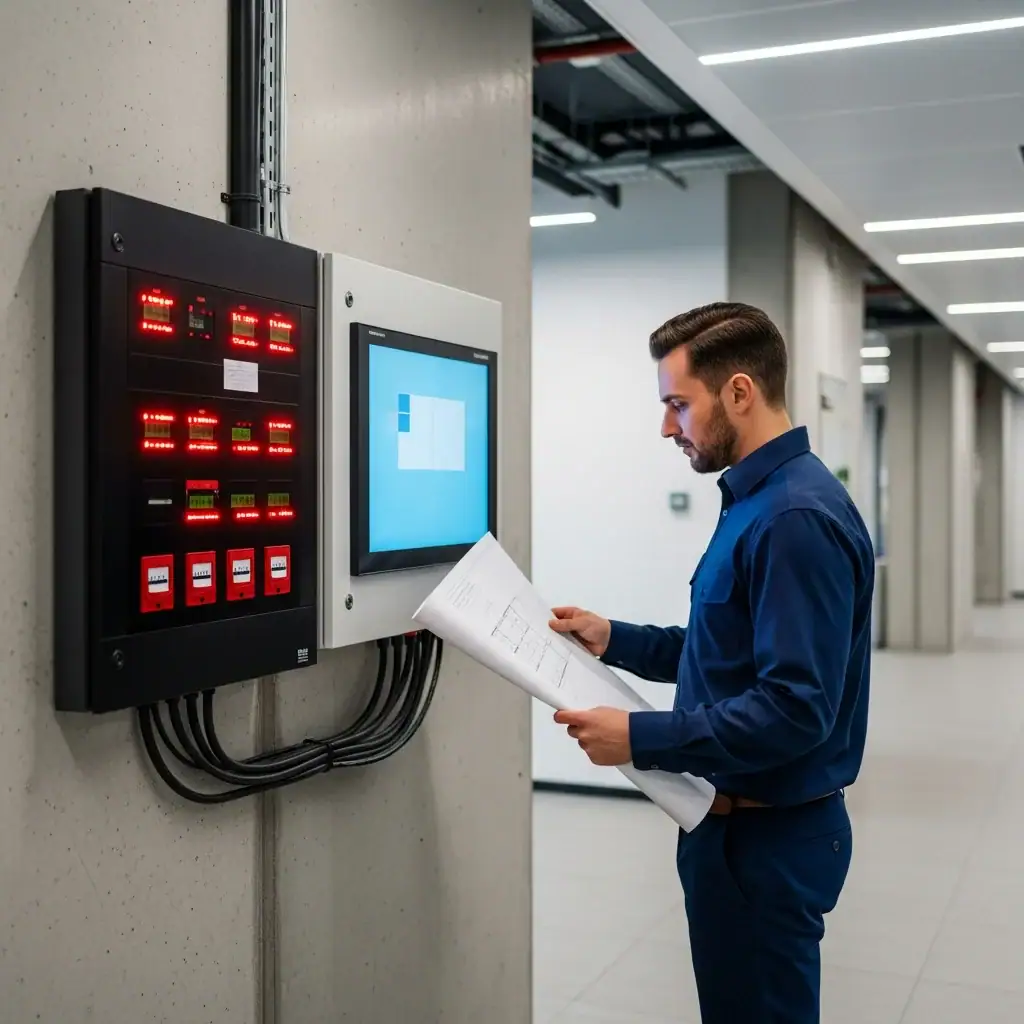
Common mistakes and risks in BMA planning without independent expertise
Without independent specialist planning, serious errors can creep into BMA design that cause high costs and safety risks over the long term. A common problem is inadequate integration of the fire alarm system into overall building management and other security systems. The result is interface problems and poor coordination between different systems. Unsuitable detector types are also often selected, either triggering too many false alarms or failing to respond reliably in an emergency. False alarms can cause considerable costs from fire brigade call-outs and business interruption. Another critical point is the absence of a detailed fire alarm concept, which can cause problems at acceptance and later in operation. In addition, too strong a focus on the products of a single manufacturer can create unwanted dependence on that manufacturer, severely limiting scope for action on maintenance, spare parts and future extensions. These mistakes can be avoided by involving a manufacturer-independent planning firm early on, one that keeps the overall picture in view and ensures compliance with all relevant standards and guidelines.
Advantages of independent specialist planning for your company
Commissioning an independent specialist planner for fire alarm systems offers your company a range of decisive advantages. First, manufacturer neutrality secures an objective, needs-based selection of components. This leads to an optimised cost structure, as only the services and products actually needed are put out to tender, without expensive over-specification or unnecessary functions. Over the long term, this can achieve significant savings in investment and operating costs. Furthermore, professional, independent planning minimises the risk of errors that could lead to costly rework or even safety gaps. Compliance with all relevant standards and legal requirements is ensured from the outset, which secures legal compliance and reduces liability risks for the operator. An independent planner acts as your competent advisor, representing solely your interests towards installers and manufacturers. This creates transparency throughout the project and ensures a high standard for the completed fire alarm system, which optimally protects people and assets.
Selecting the right installer: a manufacturer-neutral perspective
After detailed planning and preparing manufacturer-neutral tender documents, selecting the right installer is a further critical step. An independent planner helps you identify qualified specialist firms that meet the requirements of DIN 14675-2 and hold the necessary certifications. The tender is structured to allow comparable offers and a transparent assessment of technical and economic aspects. It is not just about the lowest price, but about the best overall package of performance, quality and reliability. PLANATEL® accompanies the tender process, reviews incoming offers in detail, and supports you in the award decision. We ensure that the selected installer firm installs the planned fire alarm systems in accordance with the specifications and applicable standards. This also includes checking the qualifications of subcontractors and compliance with electrical circuit integrity in the event of fire. Careful installer selection based on manufacturer-independent planning is decisive for the later functional safety and longevity of your fire alarm system.
Long-term perspectives: maintenance, expansion and cost optimisation
Planning a fire alarm system does not end with its commissioning. Rather, it is essential to consider the long-term perspective already at the planning stage, to optimise operating costs and ensure the system's adaptability. This includes concepts for regular maintenance and servicing, which, under DIN VDE 0833-1 and DIN 14675, require quarterly inspections and maintenance at least once a year by qualified specialist personnel. An independent planner takes these requirements into account and helps develop maintenance concepts that ensure lasting functionality and legal compliance. The possibility of future extensions or adaptations of the fire alarm system to the building's changing usage conditions should also be considered from the outset. Manufacturer-independent planning allows greater flexibility here and avoids expensive system changes. Early consideration of life-cycle costs and the selection of systems with low energy consumption can also achieve significant long-term savings. PLANATEL® supports you in developing such forward-looking concepts, which optimise the cost-effectiveness and safety of your fire alarm systems over their entire life cycle.
PLANATEL®: Your partner for independent BMA planning since 1992
Since 1992, PLANATEL® has stood for independent, competent planning and consulting services in the field of fire alarm systems. With over 34 years of experience, we offer medium-sized and large companies, public institutions and property managers manufacturer-independent expertise, free of commissions or manufacturer ties. Our focus is on developing tailored, cost-efficient solutions that meet the highest technical standards and all relevant standards such as DIN 14675, DIN VDE 0833 and EN 54. We not only plan fire alarm systems but accompany you through the entire process: from the initial needs analysis through concept development and specialist planning to support with tendering and installer selection. We do not plan, supervise or maintain equipment ourselves; instead, we focus exclusively on independent consulting and planning, to ensure the best possible solution for your specific requirements. Trust in PLANATEL®'s expertise to make your fire alarm systems future-proof, legally compliant and economically optimal.
Next step
Contact us for a no-obligation initial consultation.
PLANATEL®: Independent planning and consulting since 1992
Tel: 040 / 23 73 02-30
E-Mail: info@planatel.de
Frequently asked questions
What is the difference between a fire alarm system (BMA) and a fire warning system (BWA)?
A fire alarm system (BMA) is a complex system under DIN 14675 that detects fires at an early stage, warns people, and is generally connected directly to the fire brigade. It is often mandatory in larger buildings such as hospitals or industrial facilities. A fire warning system (BWA) under DIN VDE V 0826-2 is a local warning system that alerts people inside the building but does not automatically trigger an emergency call to the fire brigade. It is suitable for smaller properties, such as day-care centres or care homes, that are not subject to a BMA requirement.
What role does DIN 14675 play in BMA planning?
DIN 14675 is the central standard for fire alarm systems in Germany. It sets the requirements for the structure and operation of fire alarm systems and defines the competencies of specialist firms for planning, installation, acceptance and servicing. Planning to DIN 14675 ensures that the system meets high quality requirements and functions reliably in the event of fire, particularly when connected to the fire brigade.
How often must a fire alarm system be maintained, and who may carry this out?
Under DIN VDE 0833-1 and DIN 14675, quarterly inspections and maintenance at least once a year are required for a fire alarm system. This work may only be carried out by qualified specialist personnel holding the relevant certification. Regular maintenance is essential for the system's lasting functionality, legal compliance and insurance cover.
Can fire alarm systems also trigger false alarms, and how can these be avoided?
Yes, fire alarm systems can trigger false alarms, often caused by detector contamination, water damage, steam, dust or inadequate planning. To avoid this, careful planning with the selection of suitable detector types, consideration of ambient conditions, regular maintenance, and the use of multi-sensor detectors or dual-detector dependencies are decisive. A detailed fire alarm concept also helps minimise false alarms.
What advantages does working with an independent planning firm such as PLANATEL® offer?
Working with PLANATEL® offers the advantage of 100% manufacturer neutrality and financial independence. This ensures objective advice and planning based solely on your needs. With over 34 years of experience, we secure tailored, legally compliant and cost-optimised solutions for your fire alarm systems, from concept to tender, without any installation or maintenance interests of our own. We are your trusted partner for future-proof BMA projects.
Which standards are relevant for planning fire alarm systems?
For planning fire alarm systems, DIN 14675 (structure and operation of BMA), DIN VDE 0833 (hazard alarm systems), and the European EN 54 series (product standards for BMA components) are primarily decisive. In addition, the VdS 2095 guidelines are often relevant, particularly for insurance-related requirements.
What are the biggest risks of non-manufacturer-neutral BMA planning?
The biggest risks include potential dependence on a manufacturer, which makes future extensions and maintenance more difficult and expensive. In addition, unsuitable or over-specified systems can lead to unnecessary costs. The risk of false alarms from unsuitable detector types or poor integration with other systems also increases.
What operator obligations arise from operating a fire alarm system?
Operators of fire alarm systems have extensive obligations, including the daily visual check of the fire alarm control panel, quarterly inspections, annual maintenance, keeping a logbook, and appointing instructed persons. These measures ensure operational readiness and legal compliance.
How can manufacturer-independent planning optimise costs for fire alarm systems?
Manufacturer-independent planning optimises costs by enabling an objective selection of components precisely tailored to actual needs. This avoids over-specification and unnecessary functions. Transparent tenders foster fair competition among installers, leading to more economical offers and lowering long-term operating costs.
Sources and further information
- bsbrandschutz.de
- dgwz.de
- din-14675.info
- dinmedia.de
- meister-brandschutz.de