


Fire Alarm Systems15 min read
Responsibilities and Obligations
Operator responsibility for fire alarm systems is complex and of critical importance for the safety of people and property. Companies and institutions must know the legal and normative requirements precisely, in order to minimise liability risks and ensure the functionality of their fire alarm system at all times. This article examines the key aspects.
The operator of a fire alarm system is the natural or legal person who exercises actual control over the system and bears overall responsibility for its proper operation and servicing. This includes ensuring operational readiness, complying with statutory and normative requirements such as DIN 14675 and VdS 2095, organising maintenance and inspection, and training staff.
A comprehensive clarification of operator obligations for fire alarm systems under DIN 14675 and VdS 2095
Operator responsibility for fire alarm systems is complex and of critical importance for the safety of people and property. Companies and institutions must know the legal and normative requirements precisely, in order to minimise liability risks and ensure the functionality of their fire alarm system at all times. This article examines the key aspects.
Key Takeaways
- The operator of a fire alarm system bears non-delegable overall responsibility for its proper operation and servicing, even when tasks are transferred to third parties.
- Compliance with standards such as DIN 14675, DIN VDE 0833 and VdS 2095 is essential for safety, insurance cover and minimising liability risks.
- Independent planning and consulting by experts such as PLANATEL® secures the legally compliant, cost-effective operation of fire alarm systems and protects against manufacturer dependency.
Fire alarm systems are an indispensable part of the technical fire protection installed in many buildings and facilities. They serve to protect human life, safeguard property and maintain business operations. But installing a fire alarm system marks the start of a series of far-reaching obligations for the operator. The question "Who is the operator of a fire alarm system?" goes far beyond simply naming someone. It encompasses a complex web of legal requirements, normative obligations and organisational responsibilities, and failing to observe them can have serious consequences. A clear definition and understanding of this role are essential to permanently ensure the fire alarm system's functionality and to act with legal certainty.
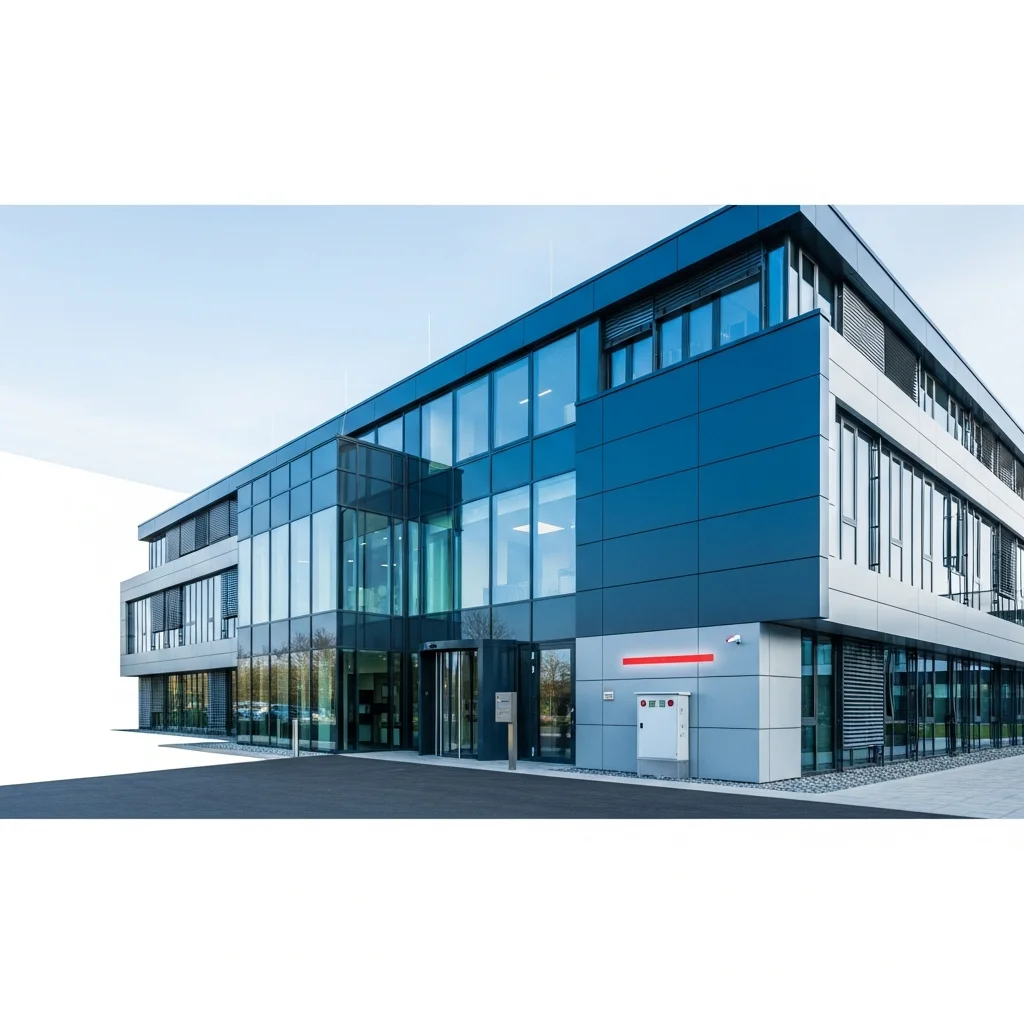
The Definition of the Operator of a Fire Alarm System
The operator of a fire alarm system is the entity that holds actual control over, and responsibility for, the system. This can be the owner of a building, the tenant, the leaseholder, or a commissioned facility management company. What matters is the exercise of actual control and the associated organisational responsibility. DIN 14675-1:2020-01 makes clear that, once the system has been handed over, responsibility for its continued performance passes to the operator. This responsibility cannot be delegated, even though individual tasks – such as servicing by certified specialist firms – can be transferred to third parties. The operator remains obliged to monitor and ensure the proper performance of these delegated tasks. This means that company leadership or management ultimately bears overall responsibility and must ensure that all necessary measures for planning, construction, acceptance, operation and servicing of the fire alarm system are arranged in accordance with the relevant rules. A clear organisational structure with defined responsibilities is therefore essential to meet this comprehensive responsibility.
In practice, the complexity of this role is often underestimated. It is not just about a one-off commissioning, but a continuous process of monitoring, maintenance and adaptation. The operator must provide the necessary financial and human resources and monitor compliance with the regulations, for example through internal audits or reports from specialist firms. When there is a change of operator, for example due to a change of owner or a new leaseholder, all obligations and the complete documentation must be transferred in full, in order to ensure continuity of security and avoid liability risks.
Legal Foundations and Standards for Fire Alarm System Operators
The operator's obligations for a fire alarm system are anchored in a complex web of laws, regulations and technical standards. The most important frameworks include the state building codes and special-building regulations of the respective federal states, which impose specific requirements on fire alarm systems depending on the building type. In addition, the technical standards are of central importance, in particular DIN 14675, DIN VDE 0833-1 and -2, and VdS 2095. DIN 14675-1:2020-01 governs the design and operation of fire alarm systems and sets out requirements for planning, design, assembly, installation, commissioning, acceptance, operation, servicing and modifications. It is the central German series of standards for fire alarm systems and voice alarm systems (VAS).
The DIN VDE 0833-1 and -2 series of standards sets out technical requirements for hazard alarm systems and their safety functions, with Part 1 covering general provisions and Part 2 setting out specific requirements for fire alarm systems. These standards are decisive for ensuring operational readiness and the correct functioning of the fire alarm system. In addition, the VdS 2095 guidelines of VdS Schadenverhütung GmbH are highly relevant. Although VdS 2095 is not a statutory requirement, in practice it is frequently required contractually or for insurance reasons, and it sets out the requirements from higher-level standards in more detail with regard to insurance-related aspects. Compliance with these standards is decisive not only for safety, but also for maintaining insurance cover and minimising liability risks. A breach of these requirements can lead to serious legal and financial consequences in the event of a fire.
Key Obligations and Tasks of the Fire Alarm System Operator
The tasks of a fire alarm system operator are varied and require continuous attention. The most important obligation is to ensure the system's constant operational readiness. This includes daily visual checks of the fire alarm control panel for status indicators, fault or error messages. In addition, the operator must ensure the alerting organisation is in place, which includes the integrity of the connection to the fire brigade (for systems connected to a monitoring station), planning and documenting alarm triggering and evacuation measures, and defining internal responsibilities.
Another critical point is that the fire alarm system may only be operated by trained personnel. The operator is obliged to instruct all relevant staff, such as caretakers, security personnel or reception staff, and to appoint a responsible person for operation, fault detection and documentation. All relevant events, such as faults, tests and training sessions, must be recorded in full in an operations logbook. Regular servicing and inspection of the fire alarm system is a statutory obligation. This includes at least annual maintenance by a specialist firm certified to DIN 14675 and quarterly inspections (visual and function tests). Identified defects must be rectified without delay. When the system is taken out of service, for example for maintenance work, adequate substitute measures such as fire watches must be organised. Neglecting these obligations can not only endanger safety, but also lead to significant liability risks and the loss of insurance cover.
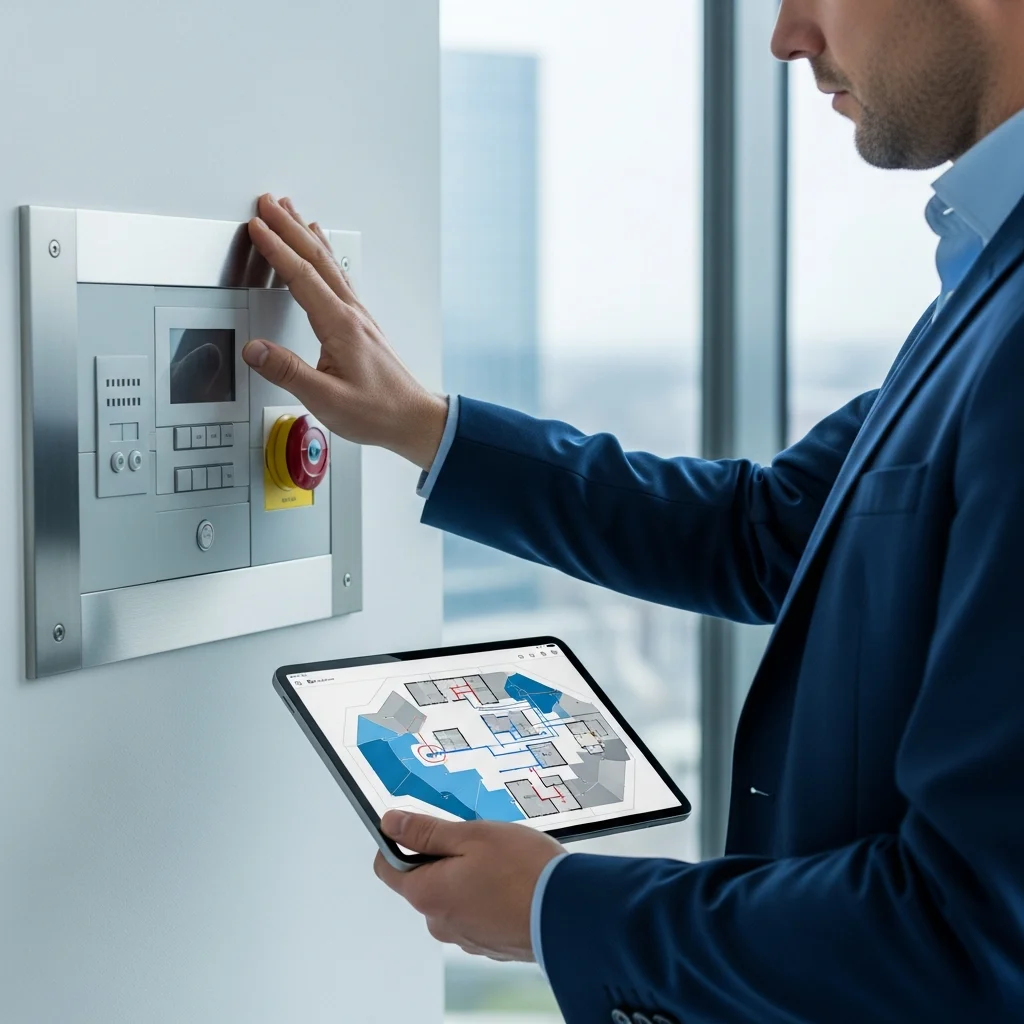
Common Mistakes and Risks in Operating Fire Alarm Systems
In practice, we repeatedly encounter typical mistakes made by fire alarm system operators that carry significant risks. One of the most common mistakes is insufficient knowledge of one's own obligations and the relevant standards such as DIN 14675 and VdS 2095. This often means important maintenance intervals are not observed or necessary documentation is neglected. Another critical point is inadequate staff training. If the persons responsible for the fire alarm system are not sufficiently instructed, they cannot respond adequately in an emergency or handle false alarms correctly, which can lead to unnecessary fire brigade call-outs and costs.
Ignoring recommendations from the maintenance firm or failing to carry out regular walk-throughs are also serious mistakes. Walk-throughs are not for technical maintenance but for visual inspection and assessment of the environment around the system and its detectors, in order to identify problems or adjustment needs at an early stage. If these checks are not carried out, the risk increases that the system will not function reliably in an emergency. The consequences of such omissions are far-reaching: besides endangering human life and property, legal liability in the event of a fire, the loss of insurance cover, and regulatory conditions or fines all loom. Early identification and rectification of these mistakes through professional, independent consulting is therefore of the utmost importance.
The Importance of Independent Planning and Consulting for Operators
Given the complexity of operator obligations and the far-reaching risks of mistakes, independent planning and consulting for fire alarm systems is of inestimable value to companies and public institutions. PLANATEL® has offered exactly this manufacturer-independent expertise since 1992. We plan maintenance concepts and select certified installers, without carrying out installations or maintenance ourselves. Our independence guarantees that our recommendations are always in the operator's best interests, free from manufacturer dependency or commission-driven interests. This is a decisive advantage, since choosing the right components and systems tailored to the specific requirements of the property has a significant impact on the efficiency and cost-effectiveness of the fire alarm system.
An independent planner such as PLANATEL® supports the operator in creating a fire alarm concept compliant with DIN 14675 that takes all relevant aspects into account, such as protection objectives, monitoring scope, false-alarm prevention measures and alerting organisation. We help prepare tender documents, evaluate bids and coordinate with authorities and insurers. Thanks to our more than 34 years of experience, we ensure that all legal and normative requirements, including DIN VDE 0833 and VdS 2095, are implemented correctly from the outset. This not only minimises the operator's liability risk, but also optimises long-term operating costs and safeguards the investment in the fire alarm system. Early involvement of independent experts is an investment in the safety and legal protection of your company.
Cost Aspects and Cost-Effectiveness of Operating a Fire Alarm System
The cost of a fire alarm system covers not only the initial purchase and installation, but also significant ongoing operating costs. These are made up of various items that the operator must carefully calculate and manage. Ongoing costs include, in particular, the annual maintenance and the quarterly inspections by a certified specialist firm, which are required under DIN 14675 and DIN VDE 0833. The costs for maintenance contracts can vary depending on system size and complexity, but typically range from several hundred to over a thousand euros per year.
In addition, there may be monthly or annual fees for connecting the fire alarm system to the fire brigade, which can vary depending on the municipality and contract length. The costs of regular staff training, which is essential for correct operation and fault management, must also be taken into account. Although these expenses may initially appear high, it is important to consider cost-effectiveness in the overall context. A professionally planned and operated fire alarm system minimises the risk of fire damage, which would cause far higher costs through business interruption, property damage and potential liability claims. In addition, a fire alarm system compliant with the standards can lead to a reduction in insurance premiums, which partly offsets the ongoing costs. An independent cost-benefit analysis and optimised planning by PLANATEL® can enable considerable savings and improved investment security here.
Training and Qualification of Operator Personnel
Operating and monitoring a fire alarm system requires specific expertise and qualified personnel. Under DIN VDE 0833-1, the operator is required either to be an instructed person themselves or to appoint such a person to operate the hazard alarm system. This person must be appointed in accordance with DIN 14675 and must possess the necessary knowledge to correctly operate the system, detect faults and respond appropriately in an emergency. The training covers both theoretical foundations and practical guidance on system operation, fault diagnosis and communication with emergency services.
Important content of such training includes, among other things, the meaning of the visual and audible indicators on the fire alarm control panel, key custody, the layout of the various buildings and their access points, and the organisation of servicing work. An instructed person must be available on site at all times to operate the system and to initiate measures in the event of a shutdown or fault. For more extensive tasks, such as the quarterly walk-through and organising servicing, a "competent person for fire alarm systems" with more in-depth knowledge may be required. PLANATEL® advises operators on defining the necessary qualifications and selecting suitable training providers, to ensure that personnel are optimally prepared for their tasks and that the fire alarm system is operated in a legally compliant and safe manner at all times.
Scenarios of Operator Responsibility and Delegation of Tasks
Operator responsibility for fire alarm systems can be structured differently depending on the type of property and ownership arrangements. In a company-owned and occupied building, responsibility clearly lies with company management. For rented properties or communities of owners, the allocation can become more complex. Here it is crucial to examine the contractual agreements (lease, tenancy agreement, declaration of division) carefully in order to clearly establish responsibilities. Operational execution of tasks is often delegated to third parties, for example to facility management service providers or specialist firms for servicing.
However, it is of the utmost importance to understand that delegating tasks does not mean delegating overall responsibility. The operator remains liable for the proper fulfilment of the obligations and must ensure the selection, commissioning and monitoring of the service providers. This requires careful contract drafting in which the service phases and responsibilities are clearly defined, in particular with reference to DIN 14675. PLANATEL® supports operators in drawing up such contracts and in selecting certified installers and maintenance providers who meet the high requirements of the standards. We help establish an organisational structure that clearly defines responsibilities and procedures, in order to ensure the long-term functionality of the fire alarm system and minimise legal risks, even in complex scenarios involving multiple parties.

Next Step
Contact us for a no-obligation initial consultation.
PLANATEL®: Independent planning and consulting since 1992
Phone: 040 / 23 73 02-30
Email: info@planatel.de
Frequently Asked Questions
What exactly does "operator" mean in the context of a fire alarm system?
The "operator" of a fire alarm system is the legal or natural person who exercises actual control over the system and bears ultimate responsibility for its proper condition and operation. This can be the owner of the building, a tenant, a leaseholder or a commissioned facility management company. Operator responsibility is comprehensive and includes ensuring compliance with all relevant laws, regulations and technical standards such as DIN 14675 and VdS 2095. Even when tasks are delegated, overall responsibility remains with the operator.
What role does DIN 14675 play for the operator of a fire alarm system?
DIN 14675 is the central German series of standards for fire alarm systems and voice alarm systems. It is of decisive importance for the operator, as it sets out detailed requirements for the design and operation of the fire alarm system. Among other things, it defines the need for a fire alarm concept, the documentation requirements, the intervals for maintenance and inspection, and the qualification of personnel. Compliance with DIN 14675 is often required under building law and is a prerequisite for insurance cover.
How can PLANATEL® support operators of fire alarm systems?
PLANATEL® supports operators of fire alarm systems as an independent planning and consulting company. We provide manufacturer-independent expertise in preparing fire alarm concepts to DIN 14675, selecting suitable systems and preparing tender documents. Our consulting helps you understand the complex legal and normative requirements and implement them in a legally compliant way. We plan maintenance concepts and select certified installers to ensure the optimal functionality and cost-effectiveness of the fire alarm system. Our more than 34 years of experience safeguard your investment and minimise risks.
What documentation obligations does the operator of a fire alarm system have?
The operator of a fire alarm system has extensive documentation obligations. This includes keeping a complete operations logbook in which all relevant events, such as faults, alarms, tests, maintenance, inspections and training, are recorded. The fire safety regulations under DIN 14096, fire brigade plans and fire brigade route maps must also be kept up to date and documented. This documentation serves as evidence that the operator obligations have been properly fulfilled and is of great importance in the event of a fire or during official inspections.
What risks arise from manufacturer dependency in fire alarm systems?
Strong manufacturer dependency in fire alarm systems can pose various risks for operators. These include potentially higher costs for maintenance, spare parts and extensions, since the operator is tied to a single provider's pricing. Flexibility in system integration and future adjustments can also be limited. The choice of components and services may not always be optimally tailored to the specific needs of the property. PLANATEL® is committed to manufacturer independence in order to avoid these risks and give operators the freedom to choose the best and most cost-effective solutions.
Who is responsible for the maintenance of a fire alarm system?
The operator is responsible for the maintenance of a fire alarm system. They must commission a specialist firm certified to DIN 14675 to carry out the regular inspections (quarterly) and maintenance (at least annually). Overall responsibility for commissioning and monitoring this work, however, remains with the operator.
Which standards are relevant for the operation of fire alarm systems?
For the operation of fire alarm systems, the primary relevant standards are DIN 14675 (design and operation of fire alarm systems), DIN VDE 0833-1 and -2 (hazard alarm systems), and VdS 2095 (guidelines for automatic fire alarm systems). These standards set out the technical and organisational requirements essential for legally compliant, safe operation.
Must personnel for fire alarm systems be trained?
Yes, personnel who operate or monitor a fire alarm system must be trained and instructed. The operator is required to appoint an "instructed person" who has the necessary knowledge of operation, fault detection and alerting organisation. For more extensive tasks, a "competent person" may be required.
What happens if the operator obligations for fire alarm systems are not observed?
Failing to observe the operator obligations for fire alarm systems can have serious consequences. These include legal liability in the event of a fire, the loss of insurance cover, regulatory conditions or fines, and endangering human life and property. A non-functioning fire alarm system can also lead to business interruption and significant economic damage.
Sources and Further Information
- insiplan-gmbh.de
- fm-connect.com
- rutte.de
- uds-beratung.de
- airitsystems.de